
Rapid Breathing in Dogs
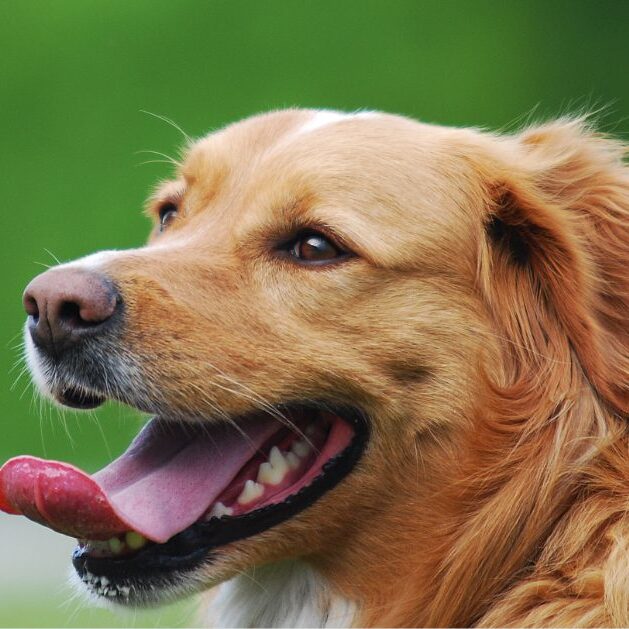
Rapid breathing in dogs often appears without warning and immediately changes the mood in a household. One moment a dog seems comfortable, and the next, their chest begins moving faster than usual. Rapid breathing refers to a breathing rate that feels noticeably quicker, heavier, or more labored than normal, even when a dog is resting. While short episodes can occur after play or excitement, persistent rapid breathing in dogs should never be ignored.
At Warrenville Grove Animal Hospital in Warrenville, IL, we frequently speak with pet owners who notice rapid breathing in dogs and wonder what it may indicate. Understanding why breathing patterns change helps owners feel more confident, informed, and prepared to seek professional guidance when needed. This blog explores rapid breathing in dogs from multiple angles, including causes, warning signs, risk factors, and how veterinarians evaluate breathing concerns.
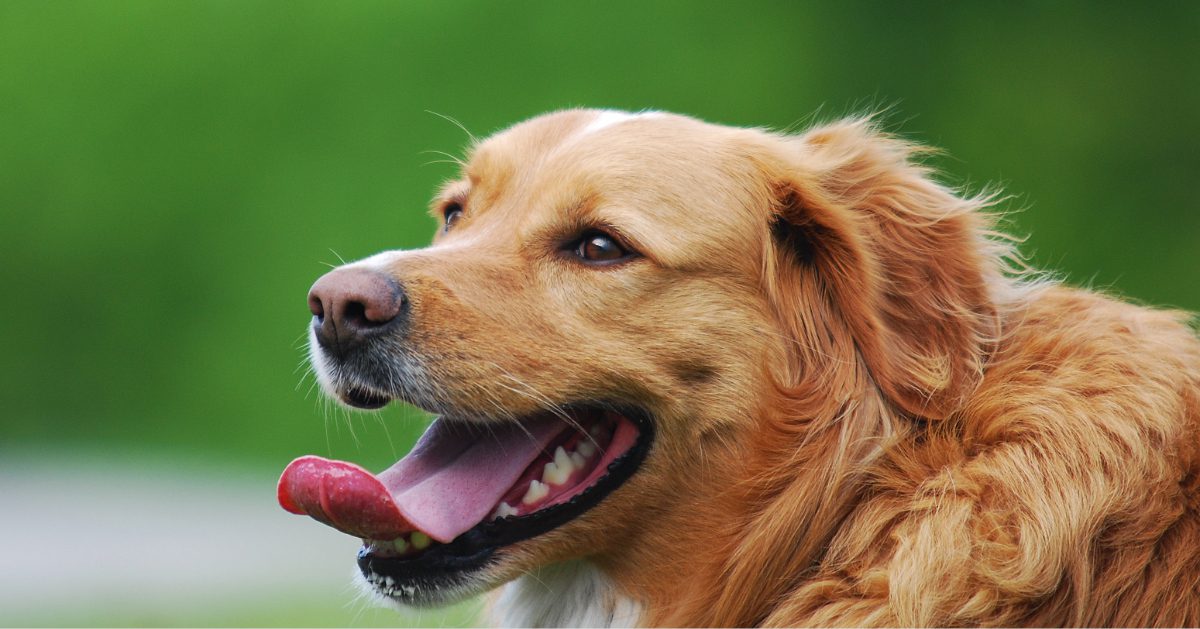
What Healthy Breathing Looks Like in Dogs
Healthy breathing in dogs is steady, quiet, and relaxed. Most resting dogs take between 10 and 35 breaths per minute, depending on size, age, and fitness. The chest should rise and fall smoothly without visible strain. A dog should not need to open their mouth or tense their abdomen to breathe while resting. A dog’s rapid breathing looks different. The chest may move quickly, the nostrils may flare, and the dog may appear unsettled or unable to relax. Some dogs sit upright, pace, or shift positions frequently when rapid breathing in dogs causes discomfort. These changes often signal that the body is working harder than normal to move oxygen. Pet owners often describe rapid breathing as shallow, fast, or heavy. These observations provide important clues for veterinary teams when evaluating respiratory health.
Common Medical Causes of Rapid Breathing in Dogs
Rapid breathing in dogs can originate from several internal systems. Each cause affects the body in a different way, yet all result in increased respiratory effort.
Respiratory Conditions
Airway infections, pneumonia, asthma-like inflammation, and lung disease frequently cause rapid breathing. When air passages narrow or fill with fluid, oxygen exchange becomes less efficient. The body responds by increasing breathing speed. Dogs may also cough, wheeze, or show nasal discharge alongside rapid breathing in dogs.
Heart Disease
Cardiac disease is a leading cause of rapid breathing, particularly in senior pets. When the heart cannot circulate blood efficiently, fluid may accumulate in the lungs. This makes breathing more difficult and often causes rapid breathing in dogs during rest or sleep.
Pain or Trauma
Pain triggers stress responses in the body, and one of the earliest visible signs is a dog’s rapid breathing. Internal injuries, abdominal discomfort, or musculoskeletal trauma may all present through respiratory changes before other symptoms appear.
Fever and Infection
Systemic infections raise metabolic demand. As body temperature increases, rapid breathing in dogs often follows. Even without lung involvement, dog rapid breathing helps regulate internal temperature and oxygen needs.
Anxiety and Stress
Emotional stress can also influence breathing patterns. However, rapid breathing in dogs that continues in calm environments typically suggests a physical rather than behavioral cause.
When Rapid Breathing in Dogs Becomes a Medical Concern
Rapid breathing deserves close attention when it occurs during rest, sleep, or light activity. Resting respiratory rate provides valuable insight into internal health. Persistent changes often reflect developing disease rather than temporary exertion. Rapid breathing in dogs becomes more concerning when combined with:
- Pale or blue gums
- Weakness or collapse
- Ongoing coughing
- Abdominal breathing effort
- Lethargy or appetite changes
Dogs rarely vocalize discomfort. Instead, rapid breathing often acts as an early warning signal. Recognizing these patterns allows veterinary teams to investigate causes before complications progress.
How Veterinarians Evaluate Dog Rapid Breathing
Veterinary evaluation focuses on identifying the cause behind rapid breathing in dogs, not just the symptom.
Physical Examination
Your veterinarian listens to heart and lung sounds, observes breathing rhythm, and checks gum color. These steps provide immediate insight into oxygen delivery and circulation. Dog rapid breathing often produces specific sound patterns that guide diagnostic direction.
Diagnostic Imaging
Chest radiographs allow visualization of the lungs, heart, and surrounding structures. Blood testing evaluates infection, anemia, and organ function. When rapid breathing in dogs persists, ultrasound or cardiac testing may provide additional clarity.
Pattern Assessment
Veterinarians consider when dog rapid breathing occurs, how long it lasts, and what triggers it. Breathing changes during sleep suggest different causes than those seen only after activity. This layered evaluation allows veterinarians to form a clear picture of why rapid breathing in dogs is happening and how best to proceed.
Breed and Age Factors That Influence Breathing
Some dogs are naturally more prone to breathing challenges.
Flat-Faced Breeds
Brachycephalic breeds such as Bulldogs, Pugs, and French Bulldogs often experience airway resistance. Their anatomy makes rapid breathing more common, even with mild exertion.
Senior Dogs
Aging increases the risk of heart and lung disease. Rapid breathing in dogs later in life frequently reflects declining organ efficiency.
Puppies
Puppies normally breathe faster than adults, yet persistent rapid breathing at rest may still indicate infection or congenital concerns. Understanding these factors helps pet owners separate normal variation from concerning change.
Environmental Effects on Breathing Patterns
Heat, humidity, altitude, and air quality all influence breathing effort. Warm Illinois summers may cause temporary rapid breathing in dogs, especially after outdoor activity. However, environmental triggers usually resolve once conditions stabilize. Dog rapid breathing that continues indoors, overnight, or in climate-controlled settings often points to internal medical causes rather than environmental stress.
Why Monitoring Breathing Matters
Rapid breathing in dogs often appears before more visible symptoms. Subtle respiratory changes may precede coughing, fatigue, or appetite loss. Monitoring resting breathing rate helps owners recognize early shifts in health.
When rapid breathing remains elevated consistently, it provides a strong reason to seek veterinary evaluation. This awareness strengthens the partnership between pet owners and veterinary professionals and supports faster diagnosis.
How Warrenville Grove Animal Hospital Helps
At Warrenville Grove Animal Hospital in Warrenville, IL, we understand how unsettling dog rapid breathing can feel. Our team focuses on careful evaluation, clear communication, and individualized care planning. We explain what rapid breathing in dogs may indicate and guide families through diagnostic findings with transparency.
If you notice rapid breathing in your pet, we encourage you to contact us at (630) 393-1131 or request an appointment. Early evaluation supports better outcomes and greater peace of mind.
Listening to What Your Dog’s Breathing Is Telling You
Rapid breathing in dogs often communicates important changes long before other symptoms appear. By paying attention to breathing rhythm, posture, and comfort level, pet owners become strong advocates for their dog’s health.
Dog rapid breathing does not provide a diagnosis on its own, but it offers a powerful signal that deserves professional attention. When addressed early, many underlying conditions can be managed more effectively and with less stress for both dogs and their families.
If you ever feel uncertain about changes in your dog’s breathing, the team at Warrenville Grove Animal Hospital is here to help. Call (630) 393-1131 or request an appointment to discuss your concerns with a trusted veterinary professional.
About Us
Warrenville Grove Animal Hospital in Warrenville, IL, provides compassionate veterinary care with a focus on building lasting relationships with pet owners. Our services include preventive care, diagnostics, surgery, and same-day appointments to meet urgent pet health needs.