
Our Blog
Stay informed with our veterinary blog, featuring expert advice on pet health, wellness, and care. From preventive tips to insights on common conditions, we provide trusted information to help you keep your pet happy and healthy.


Bladder stones in dogs form when minerals in the urine clump together into hard, rock-like crystals, most often because of urine chemistry, a lingering infection, diet, or inherited traits, and veterinarians treat them with a special diet, a nonsurgical removal technique, or surgery depending on the stone type. For the dog, the story usually starts…

Dog cancer symptoms most often start as a new or changing lump, unexplained weight loss, a sore that will not heal, or a lasting dip in energy, and any one of them merits a prompt veterinary exam. Plenty of these signs turn out to be harmless, yet only a professional can say which ones. Owners…
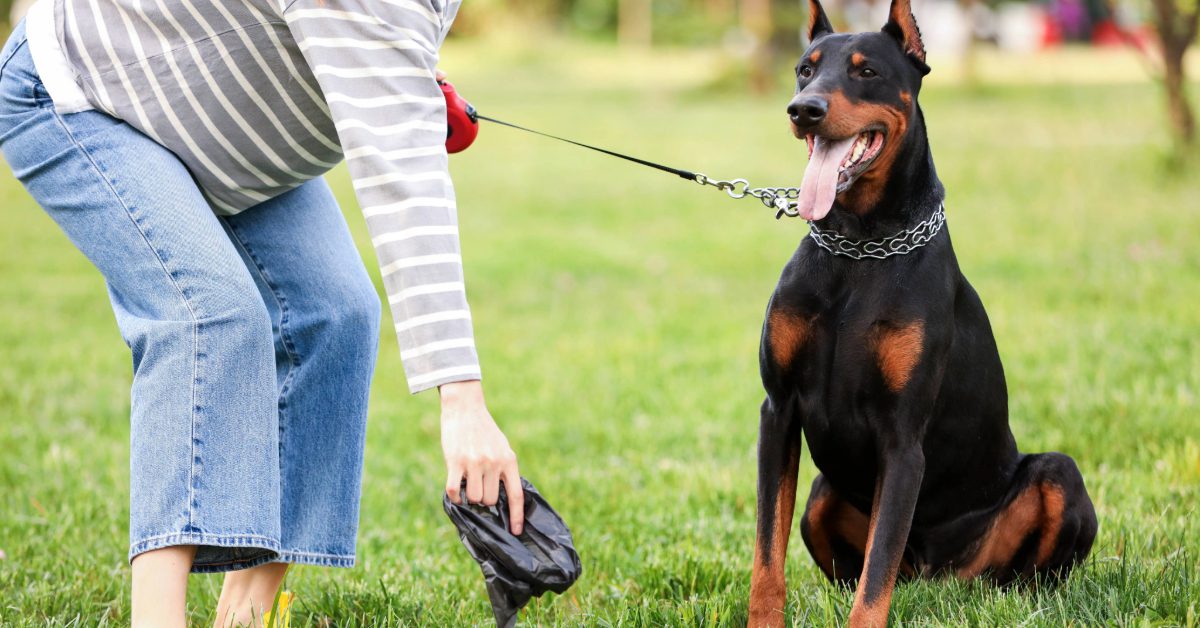
How do you know if your dog has worms? Most often you spot a handful of small clues, such as loose stools, a dull coat, a round belly, or scooting across the floor, but many dogs show nothing at all, and only a fecal test at the vet can confirm it. Picture a typical afternoon…
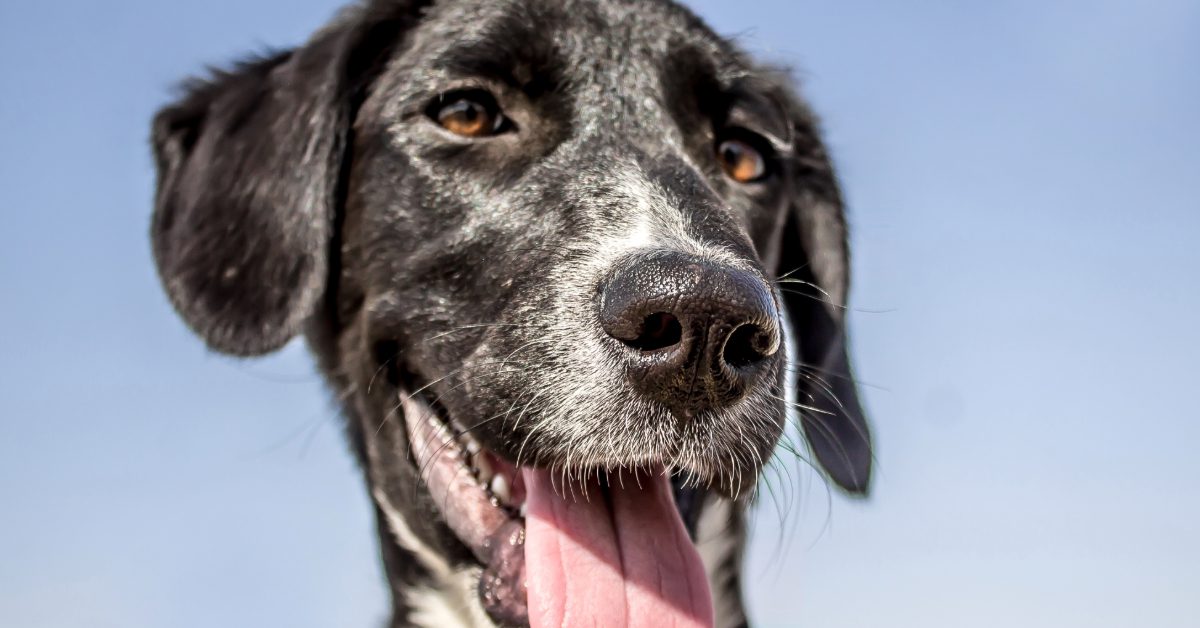
Signs of overheating in dogs include heavy panting and drooling. Learn what to watch for and when it becomes an emergency.
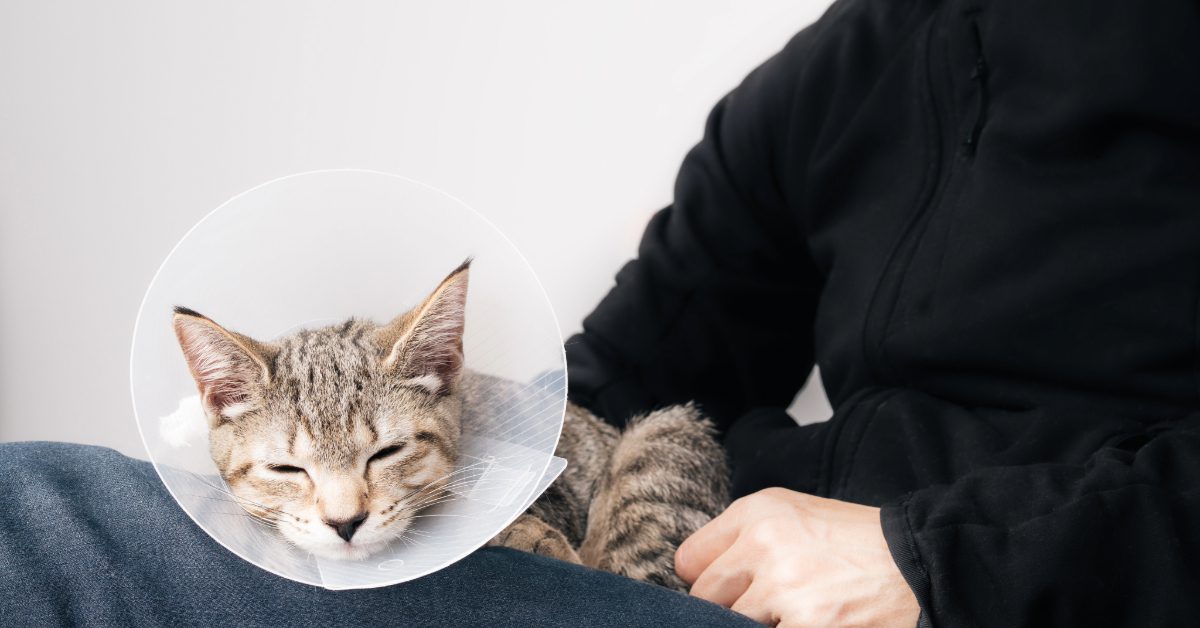
Cat spay recovery: learn what to expect during the 10-14 day healing window and how to keep your cat comfortable at home.

Can dogs get arthritis? Learn the signs, causes, and how Warrenville Grove Animal Hospital helps dogs with arthritis stay comfortable.
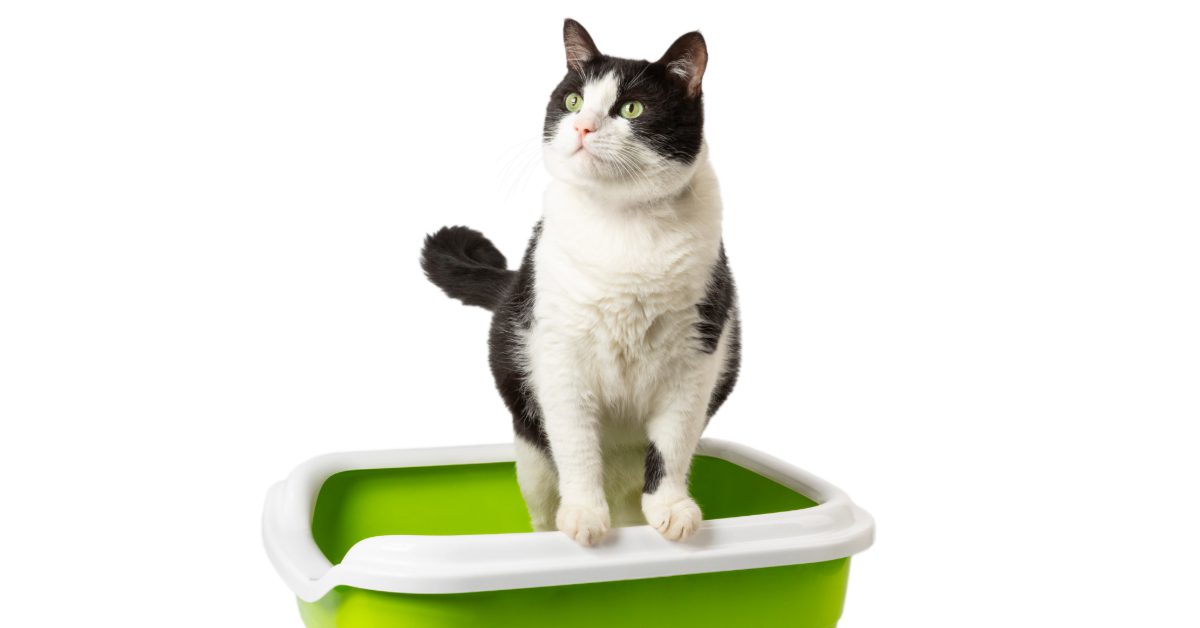
Why is my cat peeing blood? Learn the possible causes and why a cat peeing blood always needs prompt veterinary care.
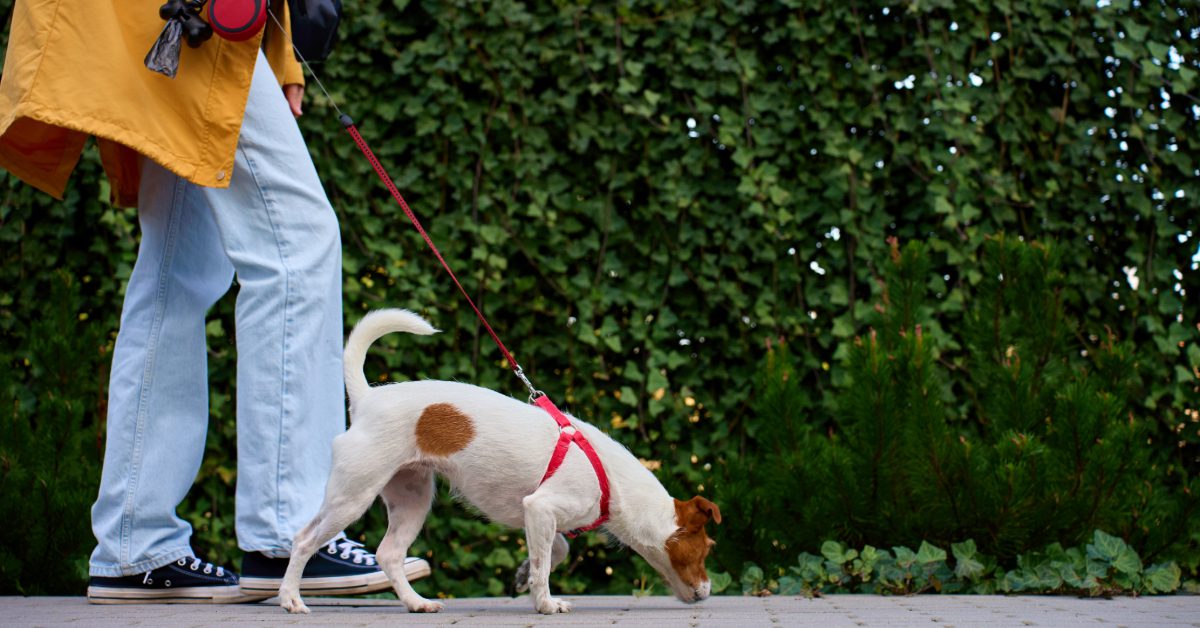
How do dogs get parasites? Learn the common ways dogs get parasites and how routine vet screening helps protect your pet.
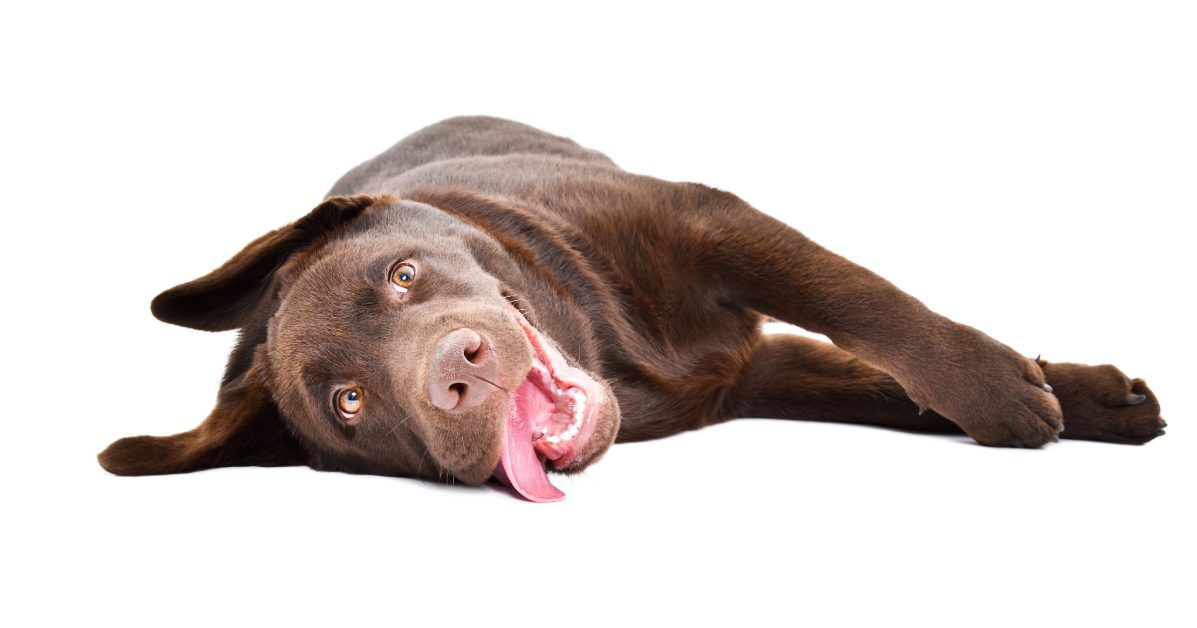
Can dogs have white chocolate? Learn why it’s still risky, what symptoms to watch for, and when to call your Warrenville vet.

Is gum bad for dogs? Yes, gum can pose serious risks to dogs, even when it seems harmless or only partly chewed. Many pet owners first ask, “Is gum bad for dogs?” after a dropped piece disappears from the floor or a curious nose finds a purse or backpack. Gum attracts dogs because it smells…