
Healthy vs. Unhealthy Dog Gums

Dog gums tell a story long before a pet shows pain, changes appetite, or slows down on walks. When pet owners notice sick dog gums, they often feel unsure about what the color, texture, or odor might mean. Healthy gums usually appear moist, smooth, and bubble-gum pink, while unhealthy gums often signal deeper concerns that deserve professional attention. This guide explains how to recognize sick dog gums, what healthy gums should look like, and why gum health connects closely to a dog’s entire body. By learning to read these subtle signs, families in Warrenville can feel more confident about when to schedule a veterinary visit at Warrenville Grove Animal Hospital.
Why Dog Gum Health Matters More Than Most Owners Realize
Dog gums protect the roots of the teeth, support chewing, and help prevent bacteria from entering the bloodstream. When sick dog gums appear, they rarely exist in isolation. Gum tissue connects directly to blood vessels, nerves, and bone, which means oral changes often reflect internal conditions. Inflamed or discolored gums may point toward infection, immune response, circulation issues, or dental disease that affects far more than the mouth.
Veterinary teams regularly see how sick dog gums correlate with heart, kidney, and liver complications. Bacteria from unhealthy gums can migrate through the bloodstream and influence other organs. Gum health also affects comfort, appetite, and behavior. Dogs with unhealthy gums may chew differently, avoid toys, or seem withdrawn without obvious pain signals.
When pet owners understand that gum color and texture act like early warning signs, they gain an important advantage. Monitoring gum health helps families partner more effectively with their veterinarian and supports earlier intervention when problems arise.
What Healthy Dog Gums Look and Feel Like
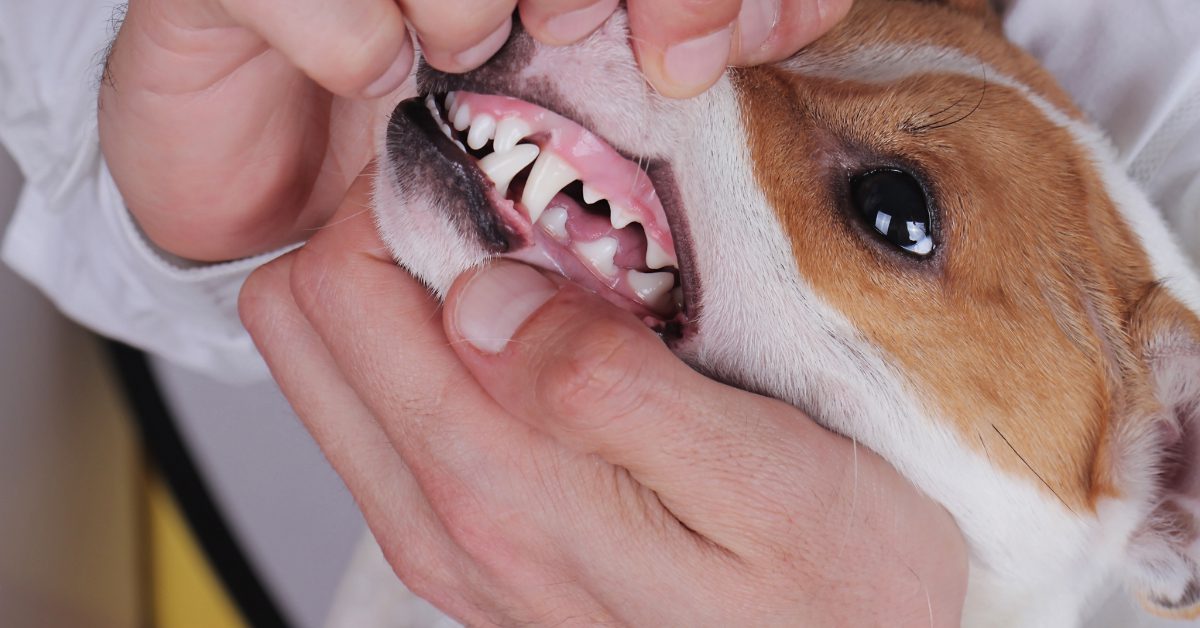
Healthy gums provide a baseline for comparison when evaluating sick dog gums. Normal gums appear light pink to salmon in color, similar to a human’s. They look smooth, moist, and slightly shiny. When gently pressed, healthy gums briefly turn pale and return to pink within one to two seconds, showing normal circulation.
Texture also matters. Healthy gums feel firm but flexible, without swelling or tenderness. They sit snugly against the teeth, forming a tight seal that blocks bacteria from slipping underneath. Dogs with healthy gums often show good breath, comfortable chewing, and steady eating habits.
Recognizing these traits helps pet owners identify when unhealthy gums begin to replace a once-healthy appearance. Even subtle changes in color or firmness can signal that professional evaluation would be helpful.
Common Signs of Sick Dog Gums
Sick dog gums rarely look identical from one dog to another. Color, shape, moisture, and odor all provide clues. Many owners first notice changes while brushing teeth, offering treats, or during play.
Color Changes in Sick Dog Gums
Color often offers the clearest visual sign of sick dog gums. Gums may appear red, deep pink, pale, blue-tinged, yellow, or gray. Each shade reflects a different concern, which is why color should never be ignored. Red or swollen gums often indicate inflammation. Pale gums may reflect circulation issues. Blue or purple gums suggest oxygen concerns. Yellow gums can appear when liver involvement exists.
Texture and Swelling
Texture changes also mark poor gum health. Healthy gums stay smooth and firm, while unhealthy gums may look puffy, uneven, or spongy. Swelling along the gumline often accompanies infection or irritation. Some dogs develop gum tissue that bleeds easily when touched, which further signals unhealthy gums.
Odor and Discharge
Persistent odor often accompanies sick dog gums. While mild dog breath remains common, strong or foul odor usually reflects bacterial activity. Discharge, pus, or excessive drooling can also appear when gums become unhealthy. These visible signs help owners recognize when unhealthy gums deserve professional evaluation rather than simple observation.
Different Types of Sick Dog Gums and What They Suggest
Not all unhealthy gums look the same, and each variation tells a different story.
Red or Inflamed Gums
Redness usually reflects irritation or infection. Dogs with red gums often experience gum inflammation linked to plaque, tartar, or immune responses. The tissue may appear glossy, swollen, or tender.
Pale or White Gums
Pale gums may signal reduced blood flow or circulation concerns. This appearance often prompts veterinarians to assess overall health, hydration, and internal function.
Blue or Purple Gums
Blue-tinged gums suggest limited oxygen delivery. This color change often appears suddenly and requires immediate veterinary attention.
Yellow or Gray Gums
Yellow or gray gums can reflect metabolic or organ-related issues. These colors rarely appear without significant underlying causes, which is why professional evaluation matters. Understanding these differences helps owners recognize that unhealthy gums provide valuable insight into more than dental health alone.
How Dental Disease Contributes to Sick Dog Gums
Plaque builds along the gumline, hardens into tartar, and creates pockets where bacteria thrive. Over time, the gums respond with inflammation, infection, and tissue damage. As dental disease progresses, sick dog gums often pull away from the teeth, exposing sensitive roots and increasing discomfort. This process allows bacteria to travel deeper into the jawbone and bloodstream. Many dogs with unhealthy gums linked to dental disease also show loose teeth, difficulty chewing, and changes in eating behavior. Veterinary dental evaluations allow teams to identify the extent of gum involvement and determine how poor gum health connects to broader oral health.
Systemic Conditions Linked to Sick Dog Gums
Poor gum health does not always originate in the mouth. Many systemic conditions influence gum appearance.
Circulatory and Respiratory Influences
Conditions that affect oxygen or blood flow often change gum color. Pale or blue gums frequently reflect these internal concerns.
Liver and Metabolic Influences
Yellow-tinged gums may appear when liver function changes. These gum changes often accompany other subtle signs that pet owners may not notice immediately.
Immune-Related Influences
Autoimmune conditions and inflammatory disorders can also alter gum appearance. Dogs with immune-related unhealthy gums often show redness, ulceration, or recurring inflammation. This wide range of influences explains why veterinarians view sick dog gums as an important diagnostic clue rather than a surface-level issue.
Behavioral Changes Often Seen With Unhealthy Gums
Dogs rarely complain about mouth discomfort, but their behavior often shifts when poor gum health develops. Some dogs eat more slowly or drop food. Others avoid chew toys or resist having their mouth touched. Subtle changes in mood, energy, or social behavior may also appear.
Pet owners sometimes misinterpret these signs as normal aging. In reality, unhealthy gums often drive these changes by causing ongoing discomfort or inflammation. Observing these behaviors alongside gum appearance helps create a clearer picture of overall health.
Why Early Veterinary Evaluation Makes a Difference
Early evaluation of sick dog gums allows veterinary teams to identify problems before they progress. Professional exams provide insight into gum depth, tissue health, circulation, and structural support. Diagnostic tools may also help determine whether sick dog gums connect to dental disease or internal conditions.
When unhealthy gums receive timely attention, dogs often experience better comfort, improved appetite, and stronger long-term health. Waiting too long can allow bacteria, inflammation, and tissue damage to spread. At Warrenville Grove Animal Hospital, our team approaches unhealthy gums as part of a complete health picture rather than an isolated symptom.
How Regular Veterinary Visits Support Gum Health
Routine veterinary visits create a consistent record of gum appearance. This history helps teams notice subtle changes in gum health that owners might overlook. Comparing past and present gum health allows veterinarians to identify early patterns and guide next steps.
These visits also give pet owners the opportunity to ask questions, learn what normal gums should look like, and understand how poor gum health relates to overall wellness. Education plays a key role in helping families feel confident about oral health.
Partnering With Warrenville Grove Animal Hospital
Pet owners in Warrenville, IL deserve a trusted partner when concerns about poor gum health arise. Warrenville Grove Animal Hospital provides thorough oral and wellness evaluations in a calm, supportive environment. Our team focuses on communication, education, and compassionate care for every dog and family we serve.
If you notice color changes, swelling, odor, or texture differences that suggest unhealthy gums, we encourage you to contact our team. Early evaluation supports comfort, clarity, and long-term health. Call (630) 393-1131 or request an appointment to have your dog’s gums evaluated by professionals who understand how closely oral health connects to total wellness.
A Healthier Path Forward Starts With Awareness
Your dog’s gums offer valuable insight into their comfort, circulation, and internal health. By learning to recognize the difference between healthy and unhealthy gums, pet owners gain a powerful tool for early detection. Gum color, texture, and behavior changes often speak long before more obvious symptoms appear.
When families stay alert to sick dog gums and seek timely veterinary guidance, dogs benefit from stronger oral health, better comfort, and improved quality of life. Warrenville Grove Animal Hospital remains proud to support Warrenville families with trusted care, thoughtful communication, and a shared commitment to lifelong wellness. If you have questions about your dog’s gum health, our team is ready to help. Call (630) 393-1131 or request an appointment today.
About Us
Warrenville Grove Animal Hospital in Warrenville, IL, provides compassionate veterinary care with a focus on building lasting relationships with pet owners. Our services include preventive care, diagnostics, surgery, and same-day appointments to meet urgent pet health needs.