
Why Is My Cat Peeing Blood?
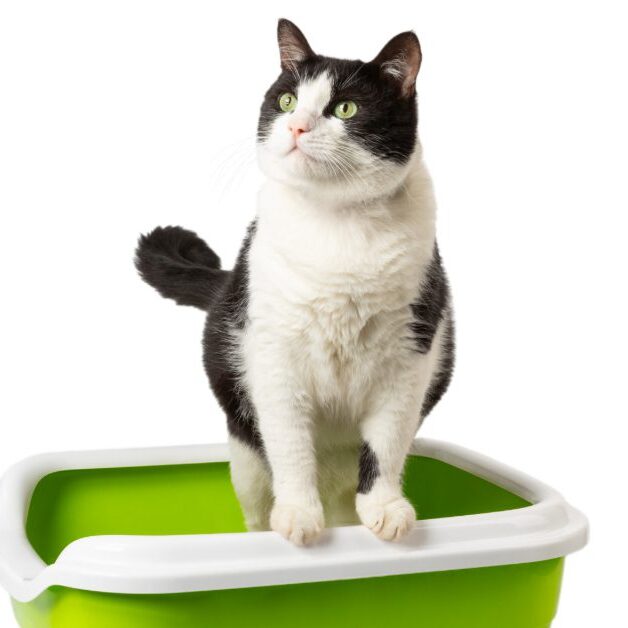
If your cat is peeing blood, it means something along the urinary tract is irritated, infected, or otherwise disrupted, and it’s a symptom that deserves a same-day call to your vet rather than a wait-and-see approach. Cats are famously private about showing discomfort, so noticing blood in the litter box is often the first real signal that something’s wrong, which can make the moment feel more alarming than it needs to. Warrenville Grove Animal Hospital hears this question usually right after an unexpected trip to the litter box turns into a late-night search for answers. This blog will walk through the most common reasons a cat ends up peeing blood, which signs mean it’s an emergency, and what to expect when you bring your cat in for an exam.
What Does It Mean When a Cat Is Peeing Blood?
Blood in cat urine means there’s irritation, inflammation, infection, or another disruption somewhere along the urinary tract, which includes the bladder, urethra, kidneys, or ureters.
Why the Cause Isn’t Visible From Blood Alone
The exact cause isn’t visible from the blood alone, which is why a cat peeing blood always warrants a veterinary visit rather than a wait-and-see approach, even if your cat seems otherwise normal. The amount of blood visible in the urine doesn’t necessarily correlate with the severity of the underlying issue, so even a small amount of blood is worth having evaluated.
What Are the Common Causes of Blood in Cat Urine?
Several conditions can lead to a cat peeing blood, and they range widely in severity from manageable to life-threatening.
Conditions That Commonly Cause Hematuria in Cats
- Feline lower urinary tract disease (FLUTD), a common cause of urinary symptoms in cats
- Bladder or urinary tract infections
- Bladder stones or crystals
- Urethral blockage, which is a medical emergency, especially in male cats
Less Common Causes Behind a Cat Peeing Blood
While FLUTD and infections are the most frequently diagnosed causes, other less common factors can also lead to a cat peeing blood, including trauma, certain tumors, or clotting disorders. This is part of why a full veterinary workup matters rather than assuming the most common cause automatically applies to your cat.
Is a Cat Peeing Blood an Emergency?
A cat peeing blood should always be evaluated promptly, but it becomes an emergency if your cat is also straining to urinate, producing little to no urine, vocalizing in the litter box, or appears lethargic.
Warning Signs That Mean You Shouldn’t Wait
These signs can point to a urinary blockage, which is life-threatening and requires immediate veterinary care, particularly in male cats due to their narrower urethra. If you’re ever unsure whether your cat peeing blood qualifies as an emergency, treating it as one is always the safer choice.
Why Are Male Cats More at Risk for Urinary Blockages?
Male cats have a narrower urethra than female cats, which makes them more prone to complete urinary blockages when crystals, mucus plugs, or inflammation are present.
Anatomy and Why Urgency Matters More for Male Cats
This anatomical difference is a major reason male cats showing signs of blood in their urine are treated with particular urgency at Warrenville Grove Animal Hospital. A blocked male cat can become critically ill within a matter of hours, which is why any male cat straining to urinate is treated as a same-day concern rather than something to monitor overnight.
Can Stress Cause a Cat to Pee Blood?
Stress is a recognized contributing factor in feline lower urinary tract disease, and cats experiencing stress from changes in their environment, routine, or household can develop urinary inflammation that leads to a cat peeing blood without an infection ever being present.
Stress-Related Triggers Your Vet May Ask About
This doesn’t mean stress is always the cause, but it’s one of several factors your veterinarian will consider during an evaluation, alongside diet, hydration, and any recent household changes like a move, new pet, or change in routine.
Does Diet Affect Whether a Cat Ends Up Peeing Blood?
Diet plays a meaningful role in a cat’s overall urinary health, particularly around hydration and mineral balance.
Hydration, Dry Food, and Crystal Formation
Cats who eat primarily dry food and drink very little water may be more prone to concentrated urine, which can contribute to crystal formation and irritation. While diet alone doesn’t explain every case of a cat peeing blood, it’s often part of the broader conversation your veterinarian will have with you once other causes have been ruled out.
Encouraging Better Hydration Habits at Home
Simple changes like adding wet food to your cat’s diet or offering a water fountain can encourage cats to drink more, which supports overall urinary health regardless of what’s currently causing your cat to pee blood.
What Should You Do If Your Cat Is Peeing Blood?
Because the underlying cause varies so widely, the appropriate response to a cat peeing blood is always a veterinary evaluation rather than home treatment.
Steps to Take Before Your Vet Visit
- Note any changes in litter box behavior, frequency, or straining
- Bring a fresh urine sample if possible, or let your vet collect one
- Contact Warrenville Grove Animal Hospital promptly, especially if your cat seems unable to urinate
How Is the Cause of Blood in Cat Urine Diagnosed?
Diagnosing why a cat is peeing blood typically involves a physical exam, a urinalysis, and sometimes imaging like an ultrasound or X-ray to look for stones or structural issues.
What Diagnostic Testing Typically Involves
Bloodwork may also be recommended to evaluate kidney function and rule out systemic causes. Getting a clear diagnosis is what allows your veterinarian to recommend the right next steps instead of treating symptoms without knowing the source.
Does It Matter If a Cat Is Peeing Blood Only Sometimes?
Some cat owners notice their cat peeing blood only occasionally rather than every time they use the litter box, which can make the situation feel less urgent than it actually is.
Why Intermittent Symptoms Still Need Evaluation
Intermittent hematuria can still point to an active underlying problem, such as crystals that come and go with hydration levels, or an infection that flares periodically. A cat peeing blood even once in a while should still prompt a veterinary visit, since inconsistent symptoms don’t mean the underlying cause has resolved on its own.
Does a Cat’s Age Change the Likely Cause?
Age can influence which causes are more likely behind a cat peeing blood. Younger and middle-aged cats are more frequently diagnosed with FLUTD and stress-related inflammation, while older cats have a somewhat higher likelihood of bladder stones, tumors, or other structural changes contributing to blood in the urine.
Why Diagnostic Steps May Differ by Age
Because the likely causes shift with age, your veterinarian may recommend different diagnostic steps depending on whether your cat is young, middle-aged, or a senior. This is one more reason a cat peeing blood should always be evaluated individually rather than assumed to be the same issue every time.
Supporting Your Cat’s Long-Term Urinary Health
Ongoing urinary health in cats often comes down to hydration, diet, and reducing stress in the home environment, alongside regular veterinary checkups. Breed doesn’t determine whether a cat will experience hematuria, but some breeds, along with certain body types, are more predisposed to urinary issues that can result in a cat peeing blood.
Overweight cats and less active cats in general tend to have a higher risk of urinary crystal formation, regardless of breed. Maintaining a healthy weight, encouraging regular movement and play, and monitoring water intake are all practical ways Warrenville cat owners can support urinary health long before a cat peeing blood becomes a concern.
Building a Long-Term Urinary Health Plan
Our team works with Warrenville cat owners to build a plan that fits their individual cat once the underlying cause of a cat peeing blood has been identified and addressed. If your cat has experienced a cat peeing blood episode before, your veterinarian may recommend periodic urinalysis checks even after symptoms resolve, simply to confirm the underlying issue hasn’t quietly returned. Call Warrenville Grove Animal Hospital at (630) 393-1131 or request an appointment online so we can help create a treatment plan that works best for your cat.
About Us
Warrenville Grove Animal Hospital in Warrenville, IL, provides compassionate veterinary care with a focus on building lasting relationships with pet owners. Our services include preventive care, diagnostics, surgery, and same-day appointments to meet urgent pet health needs.