
Cat Spay Recovery
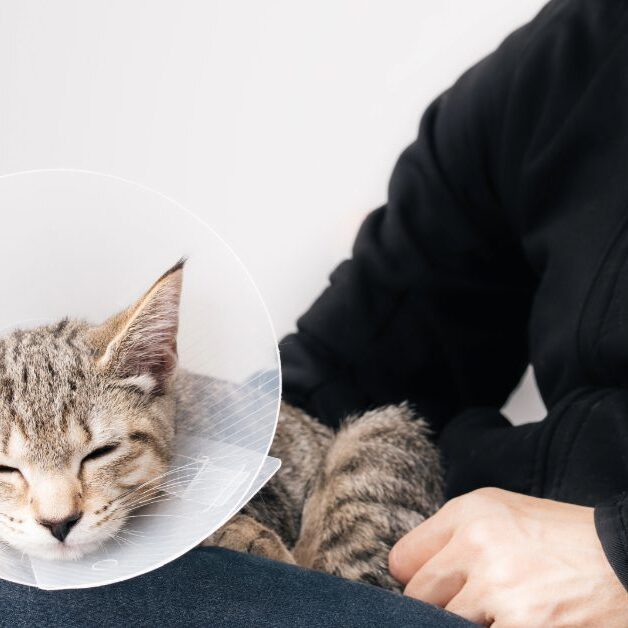
Cat spay recovery typically takes about 10 to 14 days, during which your cat’s activity should be limited while the incision heals. Spaying, or an ovariohysterectomy, is a routine surgical procedure, but cat spay recovery still requires attentive care at home to prevent complications. In this blog, our team at Warrenville Grove Animal Hospital walks every cat owner through what to expect during recovery so there are no surprises once your cat comes home.
What Happens Right After a Cat Spay Surgery?
Immediately after surgery, cats are typically groggy from anesthesia and may seem unsteady, quiet, or unusually clingy or withdrawn for the first day.
What’s Normal in the First 24 to 48 Hours
This is a normal part of early cat spay recovery, and most cats begin acting more like themselves within 24 to 48 hours as the anesthesia fully wears off. Some cats may seek out a quiet, hidden spot during this time, which is a normal response and not necessarily a cause for concern as long as your cat is otherwise stable.
How Long Does Cat Spay Recovery Take?
Most cats are fully healed within 10 to 14 days, though every cat’s spay recovery moves at a slightly different pace depending on age, activity level, and overall health.
A Day-by-Day Look at the Recovery Timeline
During this window, the incision site needs to stay clean and undisturbed, and activity should stay limited even if your cat seems back to normal sooner.
- Days 1–3: rest, limited movement, and close monitoring of the incision
- Days 4–10: gradual return to normal behavior, but no jumping, running, or rough play
- Days 10–14: follow-up exam and suture removal if needed, followed by full activity clearance
Why Younger Cats May Heal Faster
Younger, healthier cats often move through spay recovery a bit more quickly than older cats or cats with underlying health conditions, though the standard 10 to 14 day restriction period still applies regardless of how good your cat feels early on.
What Should the Incision Look Like During Recovery?
A healing spay incision should appear clean, dry, and free of significant swelling, discharge, or odor throughout cat spay recovery.
Warning Signs at the Incision Site
Some mild redness or bruising immediately after surgery can be normal, but any of the following warrant a call to your veterinarian:
- Swelling, discharge, or a foul smell from the incision
- Your cat licking, biting, or scratching at the incision site
- Separation of the incision edges
How Can You Keep a Cat From Licking the Incision?
An e-collar or recovery suit is typically sent home after surgery specifically to prevent licking, which can introduce bacteria and delay healing or cause the incision to reopen during cat spay recovery.
Why Consistent Use of the E-Collar Matters
Keeping this protective gear on consistently, even when your cat seems annoyed by it, is one of the most important parts of a smooth recovery. Removing the collar even briefly during an unsupervised moment can be enough time for a cat to disturb the incision.
What Role Does Diet Play in Cat Spay Recovery?
Most cats can return to their normal diet shortly after surgery, though some may have a reduced appetite for the first day due to lingering anesthesia.
Easing Back Into Normal Feeding
Offering a small, easily digestible meal a few hours after coming home is generally appropriate, and appetite typically returns to normal within a day or two as cat spay recovery progresses. A cat who refuses food for more than 24 hours should be evaluated.
When Can a Cat Return to Normal Activity After Spaying?
Most veterinarians recommend restricting jumping, climbing, and vigorous play for a full 10 to 14 days after spay surgery, even if your cat appears to feel fine much sooner.
Why Cats Feel Better Before They’re Fully Healed
Cats often feel back to normal before the internal tissue has actually finished healing, which is why the restriction period matters throughout the entire course of cat spay recovery. Allowing activity too soon is one of the more common reasons for complications during an otherwise routine recovery.
What Are Signs That Something Is Wrong During Recovery?
While most cases of cat spay recovery go smoothly, certain signs should prompt a call to Warrenville Grove Animal Hospital right away, including persistent vomiting, lethargy beyond the first day or two, loss of appetite lasting more than a day, or visible changes at the incision site.
How Should Multi-Cat Households Handle Spay Recovery?
Multi-cat households present some unique challenges during cat spay recovery, particularly when it comes to keeping other pets from interfering with the incision or the recovering cat’s rest.
Separating Pets During the Early Recovery Period
Separating your recovering cat from other pets, at least temporarily, can reduce the risk of roughhousing that disturbs the incision or unnecessary stress during a time when your cat needs to stay calm. A separate quiet room with food, water, and a litter box works well for the first several days of recovery.
Is Pain Medication Necessary During Cat Spay Recovery?
Many cat owners ask whether pain medication is typically needed during cat spay recovery, and in most cases, veterinarians do send cats home with a short course of pain relief to keep them comfortable during the initial healing period.
Why You Should Never Use Human Medication
Following your veterinarian’s dosing instructions exactly, and never giving human pain medication to a cat, is essential, since many over-the-counter pain relievers are toxic to cats even in small amounts.
Do Litter Habits Change During Recovery?
Litter box habits are also worth watching closely during cat spay recovery, since straining, litter clumping to the incision, or avoidance of the litter box can all signal a problem worth mentioning to your veterinarian.
Choosing the Right Litter During Healing
Using a low-dust, non-clumping litter temporarily after surgery can help keep the incision clean and reduce irritation while your cat heals. Switching back to your cat’s regular litter once the incision is fully closed is usually fine.
Making Recovery Easier for You and Your Cat
Some cats seem completely unaffected by surgery within a day, which can make it tempting to lift activity restrictions early during cat spay recovery. Even a cat who seems fully recovered on the outside may still have internal healing left to complete, which is exactly why veterinarians recommend sticking to the full 10 to 14 day window regardless of how your cat is behaving. It’s also common for cats to sleep more than usual in the days following surgery, and this extra rest is a normal and even beneficial part of cat spay recovery rather than something to be concerned about, provided your cat is still eating, drinking, and using the litter box normally between naps.
Setting Up a Recovery Space at Home
Our Warrenville Grove Animal Hospital team sends every cat owner home with clear, specific instructions so cat spay recovery feels manageable rather than stressful from day one through the final follow-up. If you’re ever uncertain whether something you’re seeing falls within the range of normal cat spay recovery or warrants a call, it’s always better to reach out and ask rather than wait and hope it resolves on its own. Call us at (630) 393-1131 or request an appointment today. With a little patience and the right precautions at home, most cats move through spay recovery smoothly and are back to their playful, curious selves well within the expected two-week window.
About Us
Warrenville Grove Animal Hospital in Warrenville, IL, provides compassionate veterinary care with a focus on building lasting relationships with pet owners. Our services include preventive care, diagnostics, surgery, and same-day appointments to meet urgent pet health needs.