
Signs of Overheating in Dogs
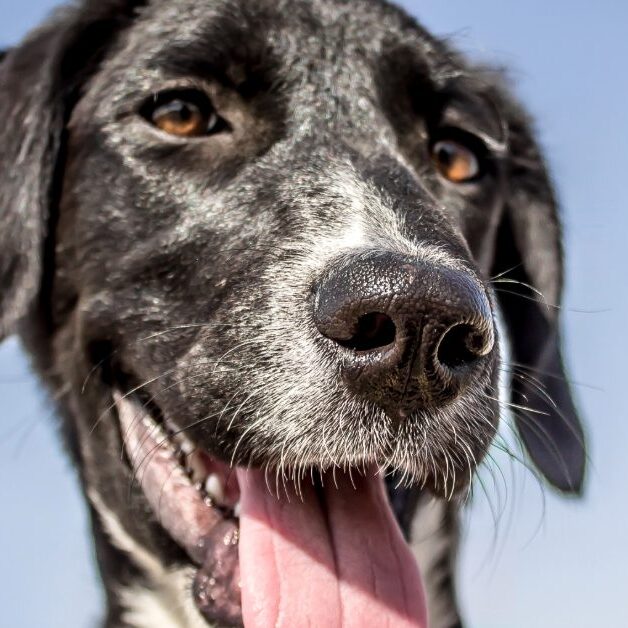
The early signs of overheating in dogs include heavy panting, excessive drooling, bright red gums, and lethargy, and recognizing these signs quickly can prevent a mild situation from becoming a medical emergency. Dogs cool themselves far less efficiently than humans, which makes overheating a real risk during warm weather, exercise, or time spent in a hot car. Warrenville Grove Animal Hospital wants local pet owners to know exactly what to watch for before overheating becomes dangerous.
Why Are Dogs Prone to Overheating?
Dogs primarily cool themselves through panting rather than sweating, since they only have sweat glands in their paw pads.
How Panting Compares to Sweating for Temperature Control
This makes them far less efficient at regulating body temperature than humans, especially in humid conditions where panting becomes less effective and the signs of overheating in dogs can escalate quickly. In high humidity, the air is already saturated with moisture, which limits how much cooling a dog’s panting can actually achieve.
What Are the Early Signs of Overheating in Dogs?
Recognizing the early signs of overheating in dogs gives you the best chance to cool your dog down before symptoms escalate into something more serious.
Early Warning Signs to Catch Before They Worsen
- Heavy or rapid panting that doesn’t slow down with rest
- Excessive drooling
- Bright red or purple gums and tongue
- Restlessness or noticeable discomfort
What Are the Signs of Severe Overheating or Heatstroke in Dogs?
If the early signs of overheating in dogs aren’t addressed, a dog’s condition can progress quickly to heatstroke, which is a life-threatening emergency requiring immediate veterinary care.
Symptoms That Signal a Medical Emergency
- Vomiting or diarrhea
- Stumbling, weakness, or collapse
- Rapid heart rate
- Seizures or loss of consciousness in severe cases
How Quickly Heatstroke Can Progress
Heatstroke in dogs can progress from early warning signs to a critical emergency in a matter of minutes, which is why any dog showing signs of overheating in hot weather should be cooled down and evaluated immediately rather than monitored for an extended period.
Which Dogs Are Most at Risk for Overheating?
Certain dogs face a higher risk of showing signs of overheating than others.
Breed, Age, and Weight Factors That Raise Risk
Flat-faced breeds, like Bulldogs and Pugs, have more difficulty panting effectively due to their airway structure, which makes early symptoms harder for them to manage. Senior dogs, puppies, overweight dogs, and dogs with thick coats are also more vulnerable to rising body temperature in warm conditions.
Why Age Changes a Dog’s Heat Tolerance
Age plays a meaningful role in how vulnerable a dog is to showing signs of overheating, with both very young and very old dogs facing higher risk than dogs in their middle years. Puppies have less developed temperature regulation systems, while senior dogs often have reduced cardiovascular efficiency and may have underlying health conditions that make it harder for their bodies to manage heat stress.
How Coat Type Affects Heat Management
Coat type significantly affects how well a dog manages heat and how quickly the signs of overheating in dogs can appear. Dogs with thick double coats, originally bred for colder climates, often struggle more in warm weather than dogs with short, single-layer coats. While it might seem logical to shave a heavily coated dog for summer, many veterinarians actually recommend against a full shave, since a dog’s coat can also help protect against sunburn and actually provides some insulation against heat. Regular brushing to remove excess undercoat is often a better approach for helping these dogs stay cooler.
Can Dogs Overheat in a Car Even With the Windows Cracked?
Yes, and this is one of the most dangerous misconceptions pet owners have.
Why Cracked Windows Don’t Prevent Overheating
Cars can heat up to dangerous temperatures within minutes, even on mild days, and cracking a window does very little to slow this process. The signs of overheating in dogs can appear within a short window inside a parked car, which is why dogs should never be left alone in one, regardless of the outdoor temperature.
Do Signs of Overheating in Dogs Look Different During Exercise?
During exercise, the early signs of overheating in dogs can be harder to distinguish from normal exertion, since heavy panting is expected during physical activity.
Telling Normal Panting Apart From a Warning Sign
The key difference is that panting from overheating doesn’t ease up with a short rest and often comes with additional symptoms like drooling, weakness, or reluctance to continue moving. Pet owners exercising dogs in warm weather should watch closely for panting that seems disproportionate to the activity level.
Adjusting Exercise for Hot Weather
Scheduling walks and playtime during cooler parts of the day, bringing water along, and taking frequent breaks in shade are simple ways to reduce the chances of seeing signs of overheating during exercise in the first place.
What Should You Do If Your Dog Shows Signs of Overheating?
If you notice signs of overheating in your dog, moving them to a cool, shaded, or air-conditioned space right away is the first priority, followed by contacting your veterinarian, especially if symptoms don’t improve quickly or escalate toward signs of heatstroke.
First Cooling Steps to Take at Home
Once you notice signs of overheating in your dog, the first cooling steps you take at home can make a real difference before you’re able to get to the vet. Wetting your dog’s paws, belly, and ears with cool water, offering small amounts of cool (not ice-cold) water, and using a fan to help with evaporative cooling can help bring body temperature down gradually while you head to your veterinarian. Avoid ice-cold water or ice packs directly on the skin, since rapid temperature changes can sometimes cause other complications.
Does Hot Pavement Contribute to Overheating?
Certain surfaces radiate significantly more heat than the surrounding air, which is a factor pet owners often overlook when thinking about the signs of overheating in dogs.
Why Walking Surfaces Matter in Summer
Asphalt and pavement in direct sun can reach temperatures far higher than the air temperature, which raises a dog’s body heat through their paw pads even during a short walk. Walking dogs on grass or in shaded areas during hot weather, and checking pavement temperature with your hand before a walk, are simple habits that reduce risk.
How Does Hydration Prevent Overheating?
Hydration is one of the simplest and most effective tools for preventing the signs of overheating in dogs from developing in the first place, especially during hot summer months.
Building Better Hydration Habits
Making sure fresh water is always available, both at home and during outings, encourages dogs to drink consistently rather than only when they’re already showing signs of heat stress. Bringing a portable water bowl on walks or trips to the park is a small habit that goes a long way toward keeping a dog properly hydrated in the heat.
Keeping Warrenville Dogs Safe During Hot Weather
Warm-weather safety comes down to awareness, especially for pet owners with dogs who are more vulnerable to heat. Recovery from a mild episode of overheating usually happens quickly once a dog is cooled down and rehydrated, but it’s still worth having your veterinarian check your dog afterward, since internal effects aren’t always visible from the outside even after the obvious signs of overheating have resolved. Being proactive about hot weather, rather than reactive once signs of overheating in your dog already appear, is always the safer and more comfortable approach throughout the summer season. Every dog tolerates heat a little differently, so getting to know your own dog’s typical panting patterns and energy level on a normal day makes it much easier to notice when something is actually off. That baseline familiarity is often the difference between catching an issue early and missing it entirely.
Whenever a Warrenville pet owner isn’t sure whether their dog’s panting is normal or an early warning sign, our team at Warrenville Grove Animal Hospital is always a call away to help you figure out what the signs of overheating in your dog actually mean. Call us at (630) 393-1131 or request an appointment today.
About Us
Warrenville Grove Animal Hospital in Warrenville, IL, provides compassionate veterinary care with a focus on building lasting relationships with pet owners. Our services include preventive care, diagnostics, surgery, and same-day appointments to meet urgent pet health needs.