
How Do You Know If Your Dog Has Worms?
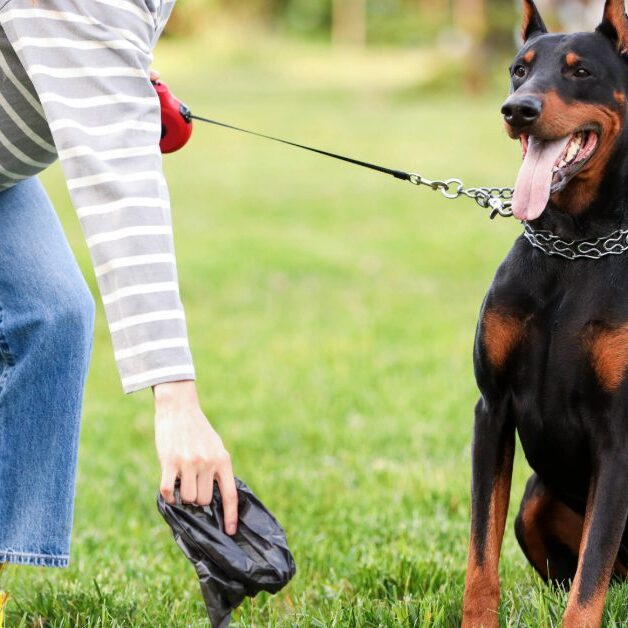
How do you know if your dog has worms? Most often you spot a handful of small clues, such as loose stools, a dull coat, a round belly, or scooting across the floor, but many dogs show nothing at all, and only a fecal test at the vet can confirm it. Picture a typical afternoon at a Warrenville park: your dog bounds through the grass, sniffs every tree trunk, and takes a sip from a puddle along the trail. It looks like harmless fun, and most days it is. Yet each of those moments also gives an intestinal parasite a chance to hitch a ride. Worms rarely announce themselves with drama. They settle in quietly, and the early hints are easy to blame on an off day. Warrenville Grove Animal Hospital sees this story often, so here is what pet owners tend to notice, where worms come from, and how a veterinarian finds a clear answer.
What Are the Symptoms of Worms in Dogs?
Symptoms of worms in dogs run from obvious to nearly invisible, so it pays to know exactly where to look.
Clues in the Stool and Around the Tail
The most direct way to know if your dog has worms often appears in the backyard. Loose stool, mucus, or a streak of blood can point to intestinal parasites. Some owners spot tiny white pieces that resemble grains of rice near the tail or in a bowel movement, which is typical of tapeworm segments. Others notice their dog dragging their bottom across the carpet. Scooting has several possible causes, so treat it as a reason to call your vet rather than a diagnosis.
Appetite, Weight, and Coat Changes
Worms feed on nutrients that belong to your dog. A dog who eats heartily yet looks thin, or a puppy with a round, pot-bellied tummy, may be losing out to parasites. Dull fur, low energy, and a lingering cough can also appear, especially when larvae travel through the lungs. Vomiting sometimes occurs, and a few dogs bring up a visible worm. Because these signs overlap with many other conditions, how do you know if your dog has worms for certain? A stool sample examined by a veterinary team settles it.
Subtle Signs and the Dogs Who Show None
Plenty of healthy-looking dogs carry a light worm burden and seem perfectly fine. That is why routine screening matters even when your dog acts normal. So how do you know if your dog has worms when nothing looks wrong? Often only a scheduled stool check reveals them. Owners sometimes mention these quieter details after a diagnosis:
- A puppy who nurses and eats well but stays smaller than littermates
- A sudden fascination with eating grass, dirt, or sticks on walks
- Restless nights with frequent licking at the rear end
- A dog who finishes dinner quickly and still acts hungry
How Do Dogs Pick Up Worms in the First Place?
Dogs pick up worms through everyday contact with the world, which means even the most pampered pup can be exposed.
Mother to Puppy and Shared Spaces
Many puppies are born with roundworms or acquire them through their mother’s milk, so a first veterinary visit usually includes a stool check. Adult dogs can catch parasites by sniffing, licking, or walking through ground that carries microscopic eggs. Dog parks, shared yards, and boarding facilities all put paws in places other animals have visited. Knowing how dogs become infected helps explain how to know if your dog has worms even when you keep a spotless home. A tidy yard lowers some risks, but it cannot erase every egg hiding in the soil.
Fleas, Wildlife, and Mosquitoes
Fleas carry tapeworm larvae, and a dog who swallows one while grooming can develop tapeworms. Rabbits, rodents, and other wildlife that wander through Illinois neighborhoods can pass along parasites too, either through droppings in the soil or when a curious dog investigates a carcass. Asking “How do I know if my dog has worms?” is especially wise for any dog who spends plenty of time outdoors. Heartworm travels differently. It spreads by mosquito bite and lives in the heart and lungs rather than the intestines, so it needs a blood test instead of a stool sample.
Veterinarians often see worm exposure traced back to ordinary situations like these:
- A drink from a standing puddle after a summer thunderstorm
- A roll in soil near a neighbor’s garden bed
- A sniff of fox or raccoon droppings along a forest preserve trail
- A nibble on a flea during a scratching session
How Does a Veterinarian Confirm Worms in a Dog?
A veterinarian confirms worms with simple lab tests that take little effort from you and cause no discomfort for your dog.
The Fecal Exam
The standard tool is a fecal flotation, in which a small stool sample is mixed with a special solution so parasite eggs rise to the top and can be viewed under a microscope. This test identifies roundworms, hookworms, and whipworms, and it can reveal which type your dog has. That detail matters, because different parasites respond to different medications. When owners ask how to know if your dog has worms with real certainty, this exam is the answer. Tapeworms can slip past the test, so your vet may also rely on what you have seen at home.
Blood Testing for Heartworm
Because heartworm hides outside the digestive tract, veterinarians check for it with a quick blood draw. Many practices pair this screening with a yearly wellness visit. Early detection gives your dog the best path forward, which is one more reason regular checkups beat guesswork. Anyone asking “How do you know if your dog has worms?” should also ask whether heartworm screening is current.
What to Bring to Your Appointment
Pet owners who wonder “How do you know if your dog has worms?” can speed up answers with a little preparation, which helps our team learn more in less time. Consider gathering these items before you leave home:
- A fresh stool sample, ideally collected the same day in a sealed bag
- A photo of anything unusual you spotted, such as rice-like segments
- Notes on recent travel, boarding stays, or new pets in the household
- Your dog’s vaccine and prevention history, if it is not already on file
When Should You Call the Vet About Dog Worms?
The best time to call is as soon as something looks different, because worms are far easier to manage when they are caught early.
Signs That Need Prompt Attention
Puppies and small dogs can lose strength quickly when parasites take hold. Contact your veterinarian promptly if you notice a swollen belly in a young puppy, pale gums, persistent vomiting, or blood in the stool. If your dog passes a worm, bring a photo or a sample with you. Please resist the urge to guess at over-the-counter products, since the wrong choice can miss the parasite or cause problems of its own. A professional exam tells you what you are dealing with.
Routine Screening and Year-Round Prevention
Even a dog with no symptoms benefits from a stool check at least once a year, and puppies need several in their first months. Your veterinarian can recommend a monthly prevention product that fits your dog’s size, lifestyle, and local risks. Many of these also protect against fleas, which closes the tapeworm loop. If you still wonder “How do you know if your dog has worms?” between visits, the honest answer is that you may not, and that is exactly why scheduled screening works so well.
Worry About Worms? Warrenville Grove Animal Hospital Is Ready to Help
A hunch that something is off with your dog deserves a real answer, not a night of searching online. Warrenville Grove Animal Hospital welcomes questions about stool changes, scooting, and every other awkward topic pet owners hesitate to raise. Our team will examine your dog, run the right tests, and explain the results in plain language so you know what comes next. If you are still asking “How do you know if your dog has worms?” bring a fresh sample and let us look. Call Warrenville Grove Animal Hospital at (630) 393-1131 or request an appointment, and your dog can get back to chasing squirrels with a clear bill of health.
About Us
Warrenville Grove Animal Hospital in Warrenville, IL, provides compassionate veterinary care with a focus on building lasting relationships with pet owners. Our services include preventive care, diagnostics, surgery, and same-day appointments to meet urgent pet health needs.