
Dog Cancer Symptoms: How to Spot the Early Warning Signs
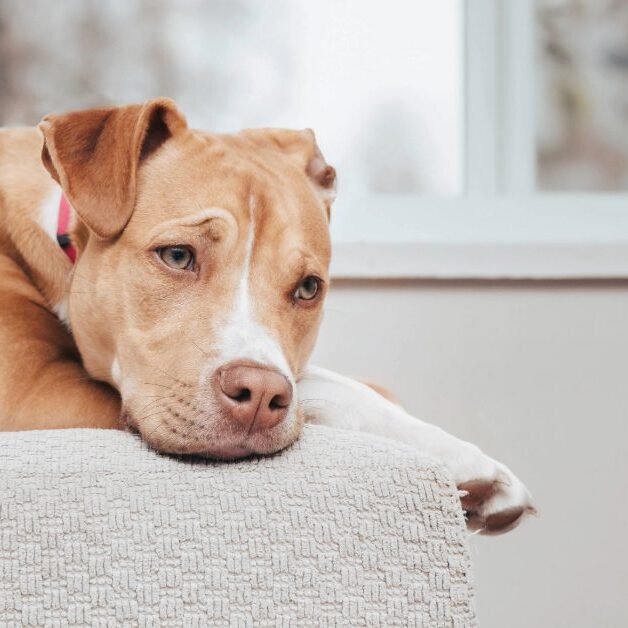
Dog cancer symptoms most often start as a new or changing lump, unexplained weight loss, a sore that will not heal, or a lasting dip in energy, and any one of them merits a prompt veterinary exam. Plenty of these signs turn out to be harmless, yet only a professional can say which ones. Owners almost always open the phone call the same way: “Something about my dog just seems different.” That instinct is worth trusting, because nobody knows your dog’s normal better than you do, and noticing a change early is the strongest tool anyone has. Warrenville Grove Animal Hospital in Warrenville, IL helps owners tell ordinary aging apart from changes that deserve a closer look.
What Are the First Signs of Cancer in Dogs?
The first signs of cancer in dogs are usually subtle changes in the skin, the body, or the daily routine that last longer than a few days.
Lumps, Bumps, and Skin Changes
A new lump is the most familiar of all dog cancer symptoms, yet many lumps turn out to be harmless fatty growths. Appearance alone cannot sort one from the other, so every new or changing mass should be checked. Watch for growths that expand quickly, feel firm, or appear in the mouth. Sores that crust over and never close, patches of skin that darken, and swellings near the lymph nodes under the jaw or behind the knees also belong on your list of things to mention at the clinic.
Weight, Appetite, and Energy Shifts
Some symptoms show up on the scale before they show up anywhere else. A dog who loses weight while eating normally, or who suddenly turns away from favorite foods, may be telling you something is wrong. Lower energy matters too. If your dog skips the walk that once sent them racing to the door, or tires halfway through a game of fetch, note when the change began. Because many illnesses share these clues, a veterinary exam is the only reliable way to learn the cause. Weighing your dog at home once a month, and writing the number down, makes gradual cancer symptoms such as slow weight loss much easier to catch before they become obvious.
Everyday Behavior Clues
Dogs rarely complain, so cancer pain often surfaces through habits. Owners at Warrenville Grove Animal Hospital describe small shifts like these:
- Hesitating at the base of stairs or the edge of the sofa
- Licking or chewing one spot on a leg or paw for days
- Pulling away when a familiar spot is petted
- Wanting more time alone in a quiet room
Which Dog Cancer Symptoms Appear Inside the Body?
Not every case of cancer creates a lump you can see, because tumors can grow in organs, bone, and blood where only careful observation and testing will find them.
Digestive and Breathing Clues
Persistent vomiting, diarrhea that lingers, or trouble swallowing can accompany tumors in the digestive tract. A cough that does not fade, or breathing that looks labored even at rest, may point to something in the chest. Symptoms in these areas often mimic common problems like allergies or an upset stomach, which is why vets look at the full picture instead of a single sign. Because symptoms inside the body are harder to see, a dog who seems simply “off” for more than a few days earns a closer look from a professional. Bad breath that suddenly turns foul, along with drooling or bleeding from the mouth, can also signal trouble that needs a closer look.
Bleeding, Swelling, and Pain
Unusual bleeding deserves attention whenever it appears. Blood from the nose, in the urine, or in the stool, along with pale gums, calls for a prompt call to your veterinarian. A swollen belly or a limp that persists, especially in a large-breed dog, can reflect disease in the abdomen or the bone. These dog cancer symptoms can progress quickly, so waiting to see what happens is rarely the safest plan. A dog who collapses, struggles to breathe, or has a suddenly enlarged belly needs emergency care right away, and a quick call to our hospital or the nearest emergency hospital can help you decide where to go.
Pet owners have described internal clues in ways such as these:
- A dog who gags or coughs after drinking water
- Gums that look white or gray instead of pink
- A belly that feels tight or round compared with last month
- Stiffness in one leg that never improves with rest
Which Dogs Face a Higher Risk of Cancer?
Any dog can develop cancer, but age, breed, and lifestyle influence how often certain types appear.
Age and Breed Patterns
Cancer becomes more common as dogs grow older, and many cases are diagnosed in the senior years. Genetics play a role as well. Golden retrievers, boxers, Bernese mountain dogs, rottweilers, and several other breeds are known to develop certain cancers more often than the general dog population. Even so, mixed-breed dogs and young adults are not immune, so knowing the cancer symptoms that matter helps every household, whatever the pedigree.
Lifestyle and Environment
Sun exposure can affect dogs with thin coats or pale skin, particularly on the nose and belly. Contact with tobacco smoke and certain lawn chemicals has also drawn attention from researchers. These factors do not guarantee anything, and many dogs with cancer have no obvious exposure. The practical takeaway is simple: regular wellness exams give your veterinarian a baseline to compare against each year, which makes small changes easier to catch. Senior dogs in particular benefit from twice-yearly checkups, since a lot can change in twelve months when a dog is eleven or twelve years old.
How Do Veterinarians Investigate Suspicious Changes?
Veterinarians investigate suspicious changes in steps, beginning with a hands-on exam and moving to tests only as needed. Owners often wonder which dog cancer symptoms justify testing, and the usual answer is any new or changing sign that lasts more than a few days.
The Exam and the Lump Check
Your veterinarian will feel your dog’s lymph nodes, skin, belly, and any mass you pointed out. For a lump, a quick procedure called a fine needle aspirate often comes first. A small needle collects cells, and a pathologist or in-house team examines them under a microscope. The sample can sometimes show whether a growth is benign, and it helps decide the next step. When owners ask what to do about dog cancer symptoms, this early sampling is often the answer.
Bloodwork and Imaging
Blood tests reveal how organs are functioning, while X-rays and ultrasound show what is happening beneath the surface. Together they help the team decide whether a problem is localized or has spread. If a diagnosis of cancer is confirmed, your veterinarian can explain the options for your dog’s situation, which may include referral to a veterinary oncologist.
How to Prepare for the Visit
A short record of any symptoms you have seen makes your appointment more productive. Bring these details when you can:
- A dated photo of any lump, placed next to a coin for scale
- The day you first noticed each change
- Your dog’s current food, treats, and supplements
- Any earlier lab results from another clinic
Spotted Something New? Warrenville Grove Animal Hospital Welcomes Your Questions
A change in your dog does not have to wait until it feels certain to be worth a phone call. Not every worry about cancer symptoms ends in a diagnosis, and Warrenville Grove Animal Hospital is glad to be the place where you find that out. Exams here are unhurried. Our team listens to what you have noticed, checks your dog from nose to tail, and talks through each finding in plain language. Appointments are open to dogs of every age and breed, and one phone call reserves a spot. When dog cancer symptoms are the reason for your visit, mention what you have noticed so the team can set aside the time your dog deserves. Call us at (630) 393-1131 or request an appointment today.
About Us
Warrenville Grove Animal Hospital in Warrenville, IL, provides compassionate veterinary care with a focus on building lasting relationships with pet owners. Our services include preventive care, diagnostics, surgery, and same-day appointments to meet urgent pet health needs.