
Bladder Stones in Dogs: What Causes Them and How They’re Treated
Bladder stones in dogs form when minerals in the urine clump together into hard, rock-like crystals, most often because of urine chemistry, a lingering infection, diet, or inherited traits, and veterinarians treat them with a special diet, a nonsurgical removal technique, or surgery depending on the stone type. For the dog, the story usually starts with something small: a walk that takes longer than usual, a squat that produces only a few drops, or a pink tinge in the puddle. At Warrenville Grove Animal Hospital in Warrenville, IL, these quiet moments are often the first clue owners bring through the door.
What Causes Bladder Stones in Dogs?
Bladder stones in dogs develop when the urine becomes so concentrated with minerals that crystals form faster than the body can flush them out.
Urine pH and Concentration
Urine that is too acidic or too alkaline gives certain minerals the chance to settle out of solution and bind together. Dogs who drink little water, or who hold their urine for long stretches, tend to produce more concentrated urine, which raises the odds. Veterinarians see this pattern often with dogs who rarely get the chance to empty their bladders on a regular schedule, such as those left alone for long workdays. Over weeks or months, a speck of crystal can grow into a stone the size of a pebble, or into dozens of smaller ones.
Infection, Diet, and Genetics
Certain bacteria in the urinary tract change the chemistry of urine in ways that favor struvite stones, which is why bladder stones so often appear alongside repeated bladder infections, especially in female dogs. Diet can also tip the balance, since the mineral content of food passes through the kidneys. Genetics matter as well. Miniature schnauzers, shih tzus, lhasa apsos, bichon frises, and Yorkshire terriers are known for developing calcium oxalate stones, Dalmatians for urate stones, and dachshunds for cystine stones.
The Main Stone Types
Knowing which mineral is involved shapes the entire treatment plan. Veterinarians commonly sort bladder stones into these groups:
- Struvite, often tied to infection and sometimes dissolvable with a prescription diet
- Calcium oxalate, which does not dissolve and usually needs removal
- Urate, seen in Dalmatians and in dogs with certain liver conditions
- Cystine, a rarer type linked to an inherited kidney problem
Which Symptoms Suggest Bladder Stones in Dogs?
The signs of bladder stones in dogs overlap with a urinary infection, so any change in bathroom habits is worth a call to your veterinarian.
Changes at the Bathroom Break
Straining to urinate, frequent trips outside with little to show for them, and accidents in a house-trained dog are the most common red flags. Blood in the urine may look pink, red, or like rust. Some dogs cry out while urinating, and others lick at the genital area more than usual. The irritation from a stone rubbing against the bladder wall can produce these symptoms on and off for weeks, which makes them easy to dismiss. Because bladder stones can mimic a simple infection, the symptoms alone cannot confirm a diagnosis, and a veterinary exam is the only way to tell the two apart.
Signs of an Emergency
A stone can slip into the urethra and block the flow of urine, and this is especially risky for male dogs because of their narrow anatomy. A dog who strains with nothing coming out, cries in pain, vomits, or seems weak needs immediate veterinary care, either at the clinic or at the nearest emergency hospital. A complete blockage can become life threatening in a matter of hours. Even a dog with long-standing bladder stones can turn into an emergency overnight if one stone shifts into a bad position, so do not wait for morning when something looks wrong.
Owners report a mix of everyday details before a diagnosis, such as these:
- A dog who stops mid-stream and starts again several times
- Urine with a strong, sharp odor that is new
- A belly that feels tender when touched near the hind legs
- Reluctance to go on the usual long walk
How Do Veterinarians Diagnose a Bladder Stone?
Veterinarians diagnose a bladder stone by pairing a physical exam with urine testing and imaging that shows the stone directly, and many cases of bladder stones in dogs are confirmed within a visit or two.
Urinalysis and Urine Culture
A urine sample reveals blood, crystals, and the acidity of the urine, while a culture checks for bacteria. These results help our team determine whether infection is part of the problem, which affects both the likely stone type and the treatment choices. Collecting the sample may be as simple as catching a midstream sample on a clean container, or our veterinary team may collect it directly from the bladder with a fine needle.
X-Rays and Ultrasound
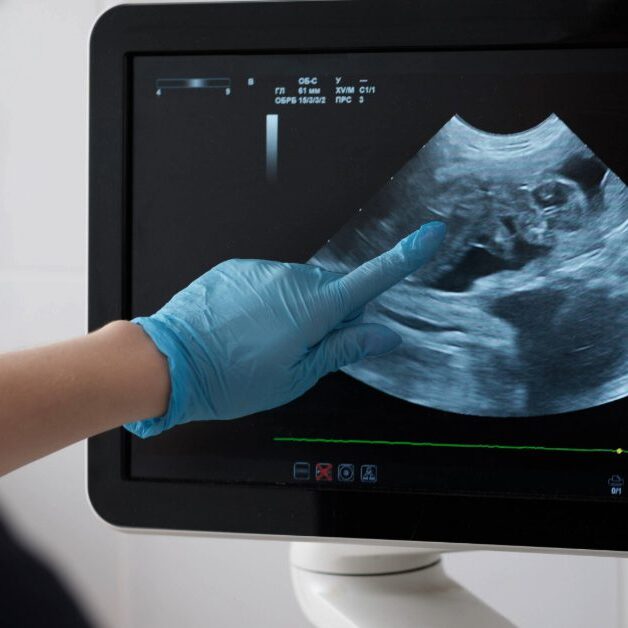
Most stones appear on X-rays as white shapes inside the bladder. Some types, particularly urate and cystine stones, show up poorly on X-rays, so ultrasound can fill in the picture. Imaging also shows how many stones are present, how large they are, and whether any have moved into the urethra. That information guides the next step, whether it is a diet, a procedure, or a referral.
Stone Analysis After Removal
Once a stone has been removed or passed, a laboratory can identify its exact mineral makeup. This analysis is one of the most useful tools for preventing a repeat, because bladder stones in dogs come back often when the underlying cause is not addressed.
How Are Bladder Stones in Dogs Treated?
Treatment of bladder stones depends on the stone type, the size, and whether the urinary tract is blocked.
Dissolution With Prescription Diets
Some struvite stones can be dissolved over several weeks with a prescription urinary diet, often alongside antibiotics for infection. The veterinarian monitors progress with follow-up imaging and urine tests. This approach works only for certain stone types, which is why a diagnosis comes first. Please do not change your dog’s food or give supplements on your own, since the wrong approach can make some stones worse.
Surgical and Minimally Invasive Removal
Stones that will not dissolve, that are causing a blockage, or that are making your dog uncomfortable are usually removed. The traditional procedure, called a cystotomy, opens the bladder to take the stones out, and most dogs go home within a day or two. Specialty hospitals may offer laser lithotripsy or a technique that flushes small stones out of the urethra. Your veterinarian will explain which options fit your dog. Recovery from surgery for bladder stones typically involves a short stretch of limited activity and a recheck visit, and the team will review the details with you before you leave.
Preventing a Second Round
Recurrence is common, so aftercare matters as much as removal. A dog who has formed one stone is more likely to form another, which makes the plan you build with your veterinarian after the first episode especially valuable. Your veterinarian may suggest steps like these:
- A therapeutic diet matched to the stone type found in the lab report
- Follow-up urine tests and X-rays on a set schedule
- Prompt treatment of any new urinary infection
- Easy access to fresh water and frequent bathroom breaks
Worried About Your Dog’s Bathroom Habits? Warrenville Grove Animal Hospital Can Help
When a dog struggles to urinate, owners deserve answers quickly and without judgment. Call us at (630) 393-1131 or request an appointment, and our team at Warrenville Grove Animal Hospital will ask about your dog’s urination habits, appetite, and any blood you have noticed, then offer the earliest suitable appointment. Dogs who are straining without producing urine are seen as a priority.
Bladder stones in dogs can cause real discomfort, and relief is the goal from the first visit. Our veterinarians will examine your dog, explain every finding, and walk you through each option so you can decide what feels right for your family.
About Us
Warrenville Grove Animal Hospital in Warrenville, IL, provides compassionate veterinary care with a focus on building lasting relationships with pet owners. Our services include preventive care, diagnostics, surgery, and same-day appointments to meet urgent pet health needs.